
To succeed in World of Warcraft raids, you need to understand the intricacies of boss mechanics, optimize your gear, and communicate effectively with your team. Mastering raid strategies involves knowing each role’s responsibilities and adapting to fight-specific techniques. Practice and repetition are key to improving your skills. Use resources like Mythic Trap for detailed guides and add-ons like Deadly Boss Mods to enhance your performance. Gear up with appropriate item levels, gems, and flasks to optimize your combat effectiveness. Heroic raids demand coordination, discipline, and high-level gear to overcome the challenges. As you progress, you will discover the strategies and teamwork necessary to dominate World of Warcraft’s most challenging content. Continue to explore and grow into a skilled raider.
Key Takeaways
- Understanding Raid Mechanics: Learn raid boss abilities, positioning, loot distribution, and consumable usage for success.
- Gear Preparation: Ensure gear meets required item level and use enhancements like gems and flasks to optimize performance.
- Role Expectations: Master role-specific responsibilities, such as tank control, healer mana management, and DPS consistency.
- Effective Communication: Use clear language to ensure team understanding and adaptability, and avoid confusion.
- Practice and Repetition: Commit to rigorous practice and repetition to master intricate boss mechanics and optimize performance.
Raid Mechanics and Strategies
When getting into raiding in World of Warcraft, you need to understand what makes a raid different from dungeons and how to properly prepare for raid encounters.
The first step is to grasp raid mechanics, which involve understanding the positioning of bosses, loot distribution, and the strategic use of consumables.
Raid composition is also vital, as it directly impacts the success of your team. This includes selecting the right classes and roles to tackle specific boss fights.
Consumable usage is also an important aspect, as it can greatly boost your performance. For example, using potions strategically during fights can make a notable difference.
Additionally, understanding the moves and abilities of raid bosses is key to success. Websites like Mythic Trap offer detailed guides to raid strategies, including step-by-step explanations, visual aids, and kill videos to help you master these encounters.
Raid Difficulty and Gear Preparation
As you prepare for your raid, understanding the various difficulties and gear requirements is crucial.
Heroic raids, for instance, will demand more coordinated effort from you and your group, while also requiring significant gear enchantments.
To succeed, you’ll need to review the basic mechanics of each fight and invest time in optimizing your gear for the challenges ahead.
Heroic Raid Expectations
To successfully tackle Heroic raids, you should expect to have a strong understanding of your class, including your rotation and talents, as well as knowledge of raid mechanics and strategies.
- Raiding Attire and Tools: Ensure your equipment meets the required item level (typically around 490). Use high-tier gems and enchants, flasks, sharpening stones or weapon oils, and battle potions to optimize performance.
- Mechanical Mastery: Familiarize yourself with the intricacies of each boss fight, including role-specific responsibilities and how to handle distinct mechanics. Additionally, being able to adapt to varying strategies is essential.
- Team and Personal Accountability: Heroic raiding demands a high level of teamwork, discipline, and coordination. Hold yourself responsible for knowing your role and staying attentive during fights. Effective communication with your team also becomes vital for success.
Basic Mechanics Review
Basic Mechanics Review
You’ll need to prepare your gear correctly, ensuring it meets the required item level and that you’re using appropriate enhancements like gems and flasks to maximize your performance. As you explore raids, you’ll encounter a range of intricate boss mechanics that demand precise execution. Understanding these mechanics is essential to success.
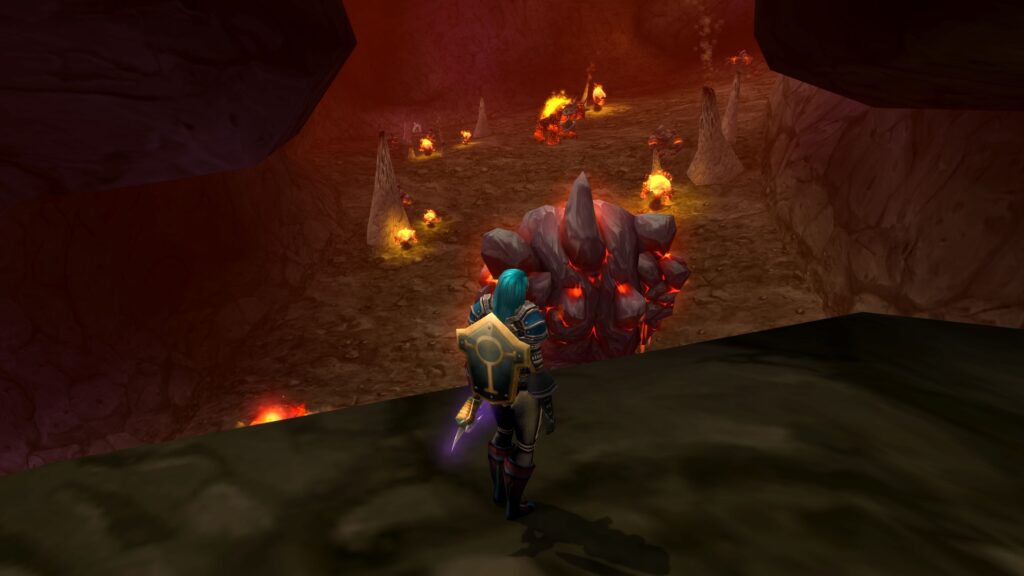
Key amongst these is player positioning. Familiarize yourself with where the boss needs to be placed and what direction it should face. This is particularly important for tanks, who must manage cleave mechanics to avoid putting the team at risk. Additionally, recognize when to use stuns, interrupts, or silences on specific boss abilities. These skills can greatly impact the fight’s outcome.
Practice and repetition are vital to mastering these mechanics. Use resources like WoWHead guides and YouTube tutorials to learn the details of each boss fight. Add-ons like Deadly Boss Mods (DBM) can also provide valuable warnings and cues during the fight.
Gear Enchantment Process
When gearing up for raids, it’s essential to understand that the enchantment process can greatly impact your performance, particularly at higher challenges. Securing your gear is optimized will significantly enhance your overall combat effectiveness.
Here are a few key steps to master the enchant process for gear optimization:
- 购买 Enchants from the Auction House: If you don’t have a skilled enchanter, purchasing enchants from the Auction House can be the most efficient option. This way, you can rapidly acquire enchants without relying on a profession.
- Use Online Resources: Websites like WoWHead and Icy Veins provide detailed guides on enchants and gemming. These resources can help you make informed decisions about your gear.
- Understand Rank and Rarity: Enchants have different ranks, each providing various stat boosts. Understanding the rarity and quality of your enchantments ensures you get the most out of your gear.
Understanding Raid Roles and Expectations
As you step into the world of World of Warcraft raiding, understanding the roles and expectations of each position is important for success.
Your role, whether tank, healer, or DPS, comes with specific responsibilities and challenges.
To thrive in raids, it’s vital to grasp what’s expected of you and how you can optimize your performance.
Tank Strategy
To successfully coordinate with your team, it’s essential that you understand and master your tanker role by maintaining control, using cooldowns strategically, and positioning correctly to keep your raid team safe and focused during the fight.
Effective tanker strategy involves several key elements:
- Control Management: master the art of taunting, learn when to swap with your co-tank, and use threat-generating abilities to maintain control on the boss.
- Positioning Tactics: correctly position yourself and your co-tank to minimize damage and optimize raid dynamics.
- Cooldown Rotation: strategically deploy defensive CDs to survive tank kill mechanics and coordinate with your co-tank to guarantee smooth shifts.
Incorporating these tactics into your tanker strategy guarantees a smooth and successful raid.
Healer Impact
Healer Impact
In high-level raids and mythic dungeons, you as a healer are now expected to deal significant damage in addition to your healing responsibilities, as the mana cost of damage spells no longer depletes your mana. This shift in expectations means your role extends beyond healing to actively contributing to the team’s DPS output. You should make use of your utility spells like stuns, interrupts, and crowd control to mitigate the damage your team takes, effectively keeping them safer while also increasing the total damage done to the enemy.
Key healing techniques involve managing your mana wisely and adapting to the situation. For instance, you should wait for active healing situations before using your mana, and secure that your cooldowns align with raid-wide damage, maximizing your healing impact.
Furthermore, you’re responsible for providing team support by monitoring and optimizing your teammates’ health while still contributing to the team’s overall damage output.
DPS Performance
When it comes to DPS performance, you’ll be expected to maximize your damage output while handling fight mechanics and managing your resources effectively to contribute to the raid’s overall success. A key aspect of this is understanding your player rotation to guarantee you’re dealing consistent damage.
Here are three important points to keep in mind:
- Upgrade Your Gear: Having the best equipment is essential for maximizing DPS output. Make sure you have the best items for each slot and set bonuses from completing armor sets.
- Practice Makes Perfect: Experience is key to mastering raid roles and increasing individual DPS output. Put in the time practicing rotation/combo optimization on training dummies or solo content.
- Stable DPS Over Burst Damage: Focus on maintaining a stable and consistent damage output rather than aiming for high burst damage. This ensures a more reliable performance throughout the fight.
Effective Communication and Coordination
For successful raiding, it’s important that each member is aware of their roles and responsibilities in order to guarantee effective communication and coordination within the team.
Effective communication is vital as it ensures that everyone on the team knows their duties, understands the overall strategy, and is prepared to adapt when needed. The key to this success lies in clear and concise language, avoiding any confusion that might positively impact the raid’s outcome.
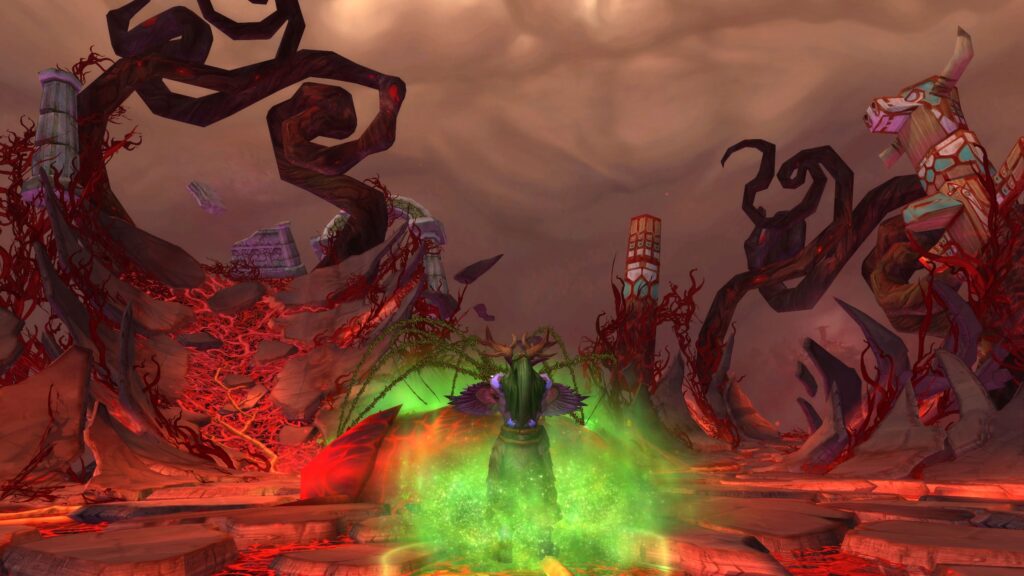
Leadership dynamics also play a significant role in fostering group synergy. The team’s leader should be able to make quick decisions, guide the group through difficult encounters, and know what steps need to be taken when faced with unexpected challenges. This not only keeps the team focused but also helps in staying within the time constraints of a raid, which can last anywhere from 2 to 6 hours or more, depending on the difficulty and the team’s readiness.
Managing Raid Dynamics and Conflicts
Raid dynamics can be highly influenced by team members’ personalities, creating potential conflicts that need careful management. Effective conflict resolution is essential to maintain team cohesion and avoid derailment of raid progress.
To handle conflicts, consider the following strategies:
- Address Concerns Directly: When an issue arises, address it promptly and directly with the involved players. Clear communication helps resolve problems before they escalate.
- Gather Evidence: Collect evidence about the issue to support your points and guarantee fairness in your resolution.
- Keep Discussions Private: Avoid confronting players in public settings; instead, hold one-on-one conversations to maintain a positive team atmosphere.
Progressing Through Raid Content
Progressing Through Raid Content
To succeed in World of Warcraft raiding, you need to commit to a rigorous practice regimen that includes repetitive attempts on the same bosses until you optimize your strategies and execute them effectively. This process starts by gearing up from solo content and Mythic 0 dungeons, then progressing through LFR, Normal, Heroic, and finally Mythic raids.
Joining a guild or forming a group with similar goals and schedules is essential for consistent progress. Raid organization is key, and loot distribution should aim to strengthen the overall team. Consumables, such as flasks and potions, can enhance your performance during fights.
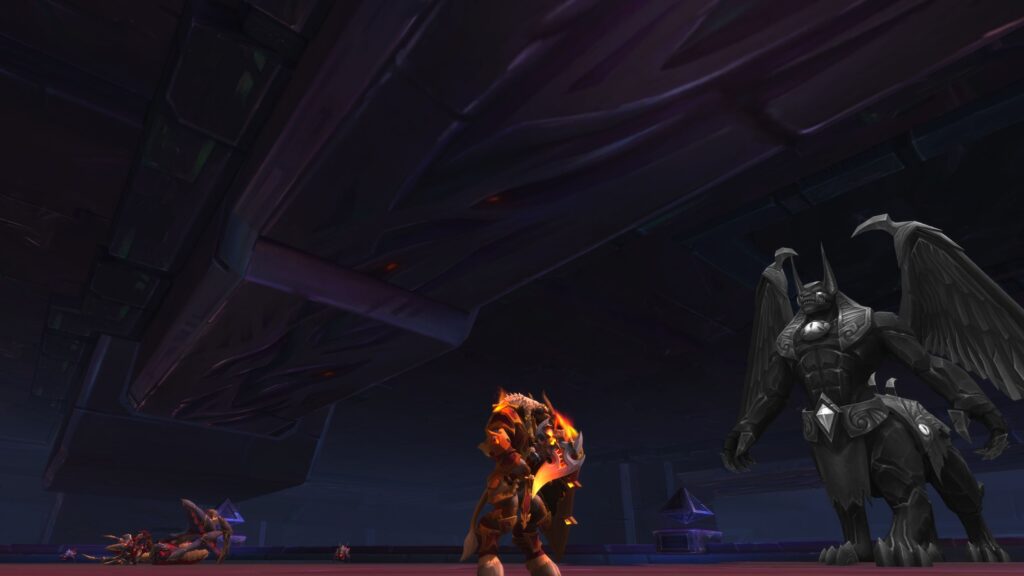
Thoroughly understanding each boss’ tactics, along with proper composition and teamwork, is crucial for success. Guides and resources like WoWHead, Icy Veins, and DBM can provide detailed strategies and guidance.
As you deal with challenges along the way, stay focused on improving your skills and adapting to the ever-changing dynamics of raid content.
Frequently Asked Questions
What Is the Purpose of “Lockout” in Raids and How Does It Work?
In World of Warcraft, the raid lockout system guarantees you don’t repeatedly farm the same raid for loot. It tracks your raid progression, limiting the number of times you can defeat a boss per week.
When you join or create a raid, the leader’s lockout determines where the raid begins. You can defeat bosses multiple times, but you’re only eligible for loot once a week.
This system prevents exploitation of high-end raids, keeping gameplay fair and dynamic.
How Does the Loot System Work, Especially With “Greed” and “Transmog” Rolls?
In World of Warcraft raids, the loot system allows you to roll for items based on your preferences and strategies. You can roll for transmog items or use the ‘need’ and ‘greed‘ system to indicate your intentions.
Etiquette suggests that if you roll but don’t intend to use the item, you should pass it to someone who needs it. Raid leaders may request specific items beforehand, and players are generally free to decide how they handle their loot.
Can You Pug Mythic Raids, and What Are the Challenges Involved?
When it comes to pugging Mythic raids, the main challenges lie in coordination issues. You’ll need to find a group with a unified understanding of strategies and roles.
Additionally, you’ll encounter the issue of people expecting high ilvl gear, which can make it difficult to get invited to runs.
Coordination and communication become essential as Mythic raids require precise teamwork and a high level of skill to overcome their demanding challenges.
What Is the Ideal Raid Size, and Does It Depend on the Boss or Difficulty?
When deciding on an ideal raid size, you’ll find that flexibility is key. While boss difficulty remains consistent, adjusting your raid size can impact mechanics difficulty.
For instance, some encounters become easier with more players, while others require precise ratios to succeed. It’s essential to balance roles and numbers to suit the specific boss you’re facing.
How Do I Find a Raid Group or Guild, and What Are the Important Considerations?
To find a raid group or guild, start by using the Guild Recruitment forum to meet like-minded adventurers who share your goals and playstyle. Consider factors like raid frequency, difficulty, and communication channels.
Look for posting that align with your preferences, and remember to follow raid etiquette: be punctual, communicate openly, and respect team members.
Conclusion
To succeed in World of Warcraft raids, focus on learning mechanics, practicing, and improving your gameplay. Access valuable resources like Mythictrap, Icy Veins, and YouTube guides to master strategies.
Prepare gear, consumables, and enchants for each raid. Effective communication and coordination are essential within your raid team. Manage conflicts and dynamics to guarantee a smooth progression.


