
Introduction
Buying gold in World of Warcraft means you trade real money for in-game coin, and that simple choice can save you hours of routine tasks and eliminate common sources of frustration. Instead of spending your limited playtime on farming herbs, mining ore, or running old dungeons for vendor trash, you log in with the funds you need already in your bag. Gear upgrades, consumables, and repairs are all covered, so you head straight into the content you enjoy—raids, Mythic+ dungeons, or PvP battles—without detours. When every evening counts, skipping farm loops and auction-house marathons turns dozens of potential grind hours into focused gameplay. You avoid the stress of last-minute gold shortages, vendor runs in the middle of a raid, or frantic auction bids.
Beyond saving raw time, bought gold protects your nerves by removing the fear that you’ll show up underprepared for a group run. Missing a raid because you lack enough gold for enchants or repairs can leave you stuck in a dungeon finder queue or scrambling to gather materials. That scramble often risks losing your invite slot or harming your reputation with guildmates. When you buy gold, these worries vanish. You know your coin stash covers all your raid needs—enchants, gems, flasks, and repair fees—so you can log in five minutes before a scheduled start and be fully ready. No more last-second runs back to town or frantic calls to guild chat asking for a loan.
In this article, we’ll show you three key ways bought gold saves you both time and stress. First, you’ll learn how skipping routine farming loops frees up hours for real content. Next, we’ll cover instant gear upgrades so you never have to wait on gathering mats. Finally, we’ll look at how having gold on hand for consumables and repairs keeps you in the fight without panic. By the end, you’ll have a clear plan to use purchased gold as a tool for more playtime and less worry.
Skip Routine Farming
Farming gold by gathering herbs, mining ore, or running low- to mid-level dungeons can be a reliable income source, but it often eats into the limited time you have for endgame content. Each herb node or ore vein you clear might yield a handful of coins, but when you need thousands of gold for high-end enchants or gems, it adds up to many hours of repeat runs. Instead of coloring your evenings with grind loops, buying gold lets you bypass this entire phase. You decide how much gold you need, make a quick purchase, and the funds appear in your account—no farming routes, spawn timers, or mob tagging required.
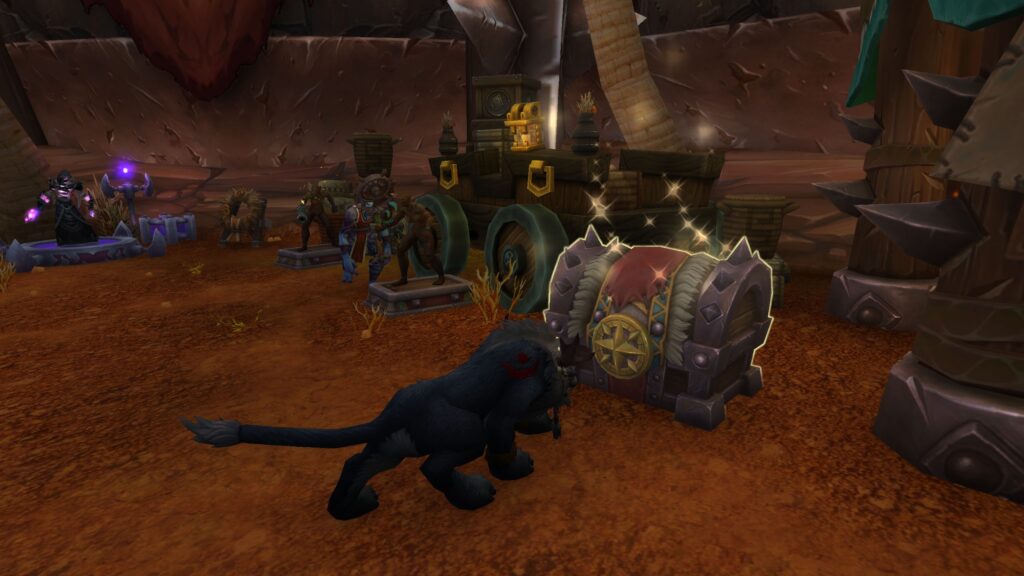
Skipping these routine chores also shields you from the boredom and burnout that many players feel after hours of gathering or dungeon repeats. Even the most scenic herb spots grow dull when you visit them dozens of times in a week. And running old dungeon wings for vendor trash or crafting mats can become a laundry list of mundane pulls that distracts from the strategies and mechanics of current content. By purchasing gold, you reclaim those hours. Instead of push-button farming, you spend your playtime on fresh challenges, strategy discussions, and actual boss fights.
Finally, bypassing routine farming means you avoid the hidden hassles: bag space management, bank trips, and auction-house posting. Every farm session fills your inventory, requiring you to return to town, clear space, and relist materials for sale. That administrative overhead can cost another 10–15 minutes per session. Buying gold removes all those micro-tasks. Your inventory stays focused on the gear and consumables you’ll use right away, and your bank remains clean. You step straight from login to action, energized rather than drained.
Instant Gear Upgrades
When a new raid tier or dungeon release drops, the rush for high-end enchants, socketable gems, and crafted gear is real. Gathering the crafting materials—herbs for inks, ores for metals, and leather for hides—can take days of on-and-off farming. Then you still face the crafting queue or the auction-house competition to buy the finished products. Buying gold cuts through this entire process. With a quick purchase, you can afford top enchants, best-in-slot gems, and even rare crafted trinkets or weapons on day one of content.

This instant upgrade path does more than speed up your power curve; it spares you the anxiety of showing up undergeared. If you’re scheduled for a raid reset at 7pm on a Wednesday, you don’t want to be the one scrambling at 6:55pm because your crafting mats are still on cooldown or your auction bid got outbid. Purchased gold lets you mail or trade directly for the upgrades you need and equip them seconds before the pull. You enter the boss arena at the same baseline power as the highest-ranked players on your server, without a second thought about gathering routes or auction-house snipe wars.
Moreover, instant upgrades protect your playtime against market swings. When demand for certain enchants spikes, prices can double overnight. If you wait to farm or craft, you risk paying a premium later—or missing out entirely when vendors or auction listings clear out. Buying gold ahead of major content releases ensures you beat those price jumps. You log in when enchants and gems are still reasonably priced, lock in your upgrades, and then focus on the raid strategy instead of chasing inflated costs.
Always Stocked on Consumables
Keeping flasks, potions, and food buffs in your bags at all times saves you the hassle of last-minute farming or scrambling through the auction house. Flasks provide a steady stat boost for every boss pull, while potions offer emergency health or damage spikes when you need them most. High-end food buffs add bonus secondary stats, and battle elixirs can fill any gaps in your setup. Instead of spending your play session gathering raw materials—herbs for flasks, ores for potions, or ingredients for food—you use bought gold to stock up in minutes. This ensures you stay focused on fights rather than on supply runs, and you eliminate the risk of logging in underprepared.

Below is a table showing typical consumables, their average gold cost, and a suggested stock level for a two-hour raid or dungeon session:
| Consumable Type | Average Cost (Gold) | Effect | Suggested Stock Level |
|---|---|---|---|
| Flask | 120–250 | +100–150 primary stat | 10–15 flasks |
| Potion | 60–120 | Emergency heal or damage boost | 20–30 potions |
| Food Buff | 15–40 | +50 secondary stat | 5 stacks (20 each) |
| Battle Elixir | 80–150 | Combines two elixir effects | 10–15 elixirs |
| Healthstone | 200–350 | Instant self-heal | 5–10 stones |
With these items ready, you skip herb and ore runs, bypass vendor farming, and never run out mid-pull. Simply purchase the stacks after each raid reset or before your dungeon block, mail them to your character, and keep them in your bags. You’ll notice fewer interruptions for emergencies and more uninterrupted playtime devoted to the content you enjoy.
Smooth Repairs and Buffs
Repair costs and timed event buffs are two small but critical areas where gold buys peace of mind. In high-level raids and Mythic+ dungeons, gear durability drops fast under heavy hits, and repairs can cost 5 to 20 gold per wipe or trash clear. Instead of pausing the run to farm repair funds, you maintain a dedicated “repair fund” in your bank—funded with bought gold—so you click “Repair All” and get right back into action. Likewise, weekend or seasonal buffs (such as holiday stat boosts or world-event buffs) often require gold to purchase scrolls or vendor items. With extra gold in hand, you snag those buffs as soon as they appear, ensuring your character benefits from every available bonus.

Key practices for smooth repairs and buff coverage:
- Maintain a Repair Fund: Keep 300–500 gold in your bank at all times for quick fixes.
- Monitor Buff Windows: Note the start of seasonal buffs and set a calendar alert to buy them early.
- Buff Stockpiling: If event buffs stack or last multiple days, buy several at once to avoid repeat visits.
- Group Buff Sharing: When possible, purchase extra buff items for friends or guildmates to strengthen your team.
- Emergency Gold on Hand: Carry a small pouch of 100–200 gold in your bags for in-run purchases (repairs, scrolls).
By following these steps, you remove the stress of mid-run stalls and buff windows. You focus on mechanics and strategy instead of running back to town or competing with dozens of players for limited buff supplies.
Be Raid- and Dungeon-Ready
Showing up prepared for every group invitation boosts your reputation and keeps the run moving smoothly. With purchased gold, you never have to ask for a loan or log out to farm materials; you’re always ready at the scheduled start time. Follow this pre-run checklist to stay on top of your game:
- Verify Gear Upgrades: Equip any new enchants, gems, or crafted pieces bought with gold.
- Load Consumables: Confirm you have flasks, potions, food, and elixirs in your bags before logging off.
- Check Repair Funds: Ensure your dedicated repair gold is topped up in your bank or guild vault.

- Join Voice Chat Early: Log into Discord or TeamSpeak five minutes before the run to adjust audio levels.
- Confirm Addons and Macros: Update boss mods, raid frames, and key macros so you don’t waste pulls on UI errors.
- Organize Bags and Bank: Clear non-essential items to avoid inventory clutter during loot distribution.
Completing these steps takes only a few minutes but saves you from in-run delays and forgotten items. When you buy gold and follow this checklist, you present yourself as a reliable team member who arrives ready to pull boss aggro, handle your mechanics, and move on to the next fight without pauses. This readiness builds trust among group leaders and helps secure your spot in future runs.
Prevent Burnout
Repetitive farm loops and auction-house chores can quickly turn exciting gameplay into a grind, leading to burnout. Logging in each evening to gather the same nodes, run the same old dungeon wings, or post dozens of auction listings can zap your enthusiasm and make “playing” feel like work. By buying gold, you eliminate much of the repetition, freeing you to spend your finite playtime on the parts of the game that keep you engaged.

Imagine replacing two hours of herb gathering with two hours of raid progression. You trade the monotony of node timers for the thrill of coordinating cooldowns, executing boss mechanics, and celebrating a clear. You swap auction-house posting routines for exploring new zones, experimenting with transmog looks, or tackling a cutting-edge dungeon run. That break from the grind recharges you, so when you do return to farming or auction-house tasks, you approach them as a fresh change of pace instead of a chore you dread.
Preventing burnout also means you maintain your social connections. When you spend less time solo-farming, you’re more available for group invites, guild events, or PvP skirmishes. You stay in voice chat, build rapport with teammates, and feel like part of the community. Bought gold keeps you in the action, ensuring you spend your gaming sessions on shared challenges rather than solitary prep.
Plan Your Gold Spend
To make the most of bought gold, treat it like any valuable resource: plan its use and track your budget. Start by listing your top priorities—gear upgrades, consumables, crafting materials, or vanity items—and assign each a target amount. For example, you might allocate 15,000 gold for enchants and gems this month, 10,000 for flasks and potions, and 5,000 for mounts or pets. Write these targets down in a simple spreadsheet or use an in-game addon to log each spend.

Next, set checkpoints. At the end of each week, compare your actual spending to your budget. Did you overspend on consumables? Did you underuse funds for gear upgrades? Adjust next week’s targets to compensate—move unused gold from one category to another or scale back on low-priority buys. This ongoing review keeps you from burning through your funds too quickly or leaving gold idle in your bank.
Here’s a quick list to guide your gold-planning process:
- Define Categories: Gear, consumables, crafting, vanity.
- Set Amounts: Assign a gold limit to each category.
- Log Transactions: Record every major purchase with date, amount, and purpose.
- Review Weekly: Compare spent vs. budgeted and adjust targets.
- Reallocate as Needed: Shift leftover funds to higher-priority needs.
With this plan, you ensure that each coin you buy directly supports your progress and enjoyment. You avoid last-minute scrambles and keep your playtime focused on achieving in-game goals.
Conclusion
Buying WoW gold saves your time and nerves by removing the grind loops, auction-house headaches, and last-minute shortages that can stall your raids and dungeons. You skip routine farming, apply gear upgrades on demand, keep consumables and repair funds ready, and show up prepared for every run. You avoid the stress of endless auction-house scans and shield yourself from burnout by focusing on the game’s most engaging content.
By planning your spend and tracking your budget, you turn bought gold into a strategic tool that maximizes your playtime and keeps you in peak form. Use these methods to streamline your path through Azeroth, and spend your gaming hours on the challenges and achievements that make World of Warcraft truly rewarding.


